Cashback vs. Points vs. Miles: Which Pays More?
The three rewards currencies compared on real redemption value, not advertised best-case rates.

In this guide 9 sections
Quick answer: Cashback pays the most predictably and is easiest to value. Points typically edge out cashback if you redeem them well, often landing around 1.2 to 2 cents per point. Miles can pay the most per dollar spent, but only for travelers willing to chase transfer partners and award-seat availability — otherwise they underperform cashback.
Every rewards card boils down to one of three currencies: cashback, points, or miles. Card issuers push points and miles hard because the "value" is flexible — which is another way of saying it's harder for you to pin down and easier for them to inflate in marketing copy. This comparison breaks down what each currency is actually worth, who each one fits, and where the math falls apart if you're not paying attention.
Cashback: The Baseline Currency

Cashback is the simplest rewards currency because there's no exchange rate. A card paying 2% cashback on $2,000 of monthly spend returns $40 a month, full stop. No portal to log into, no partner transfer, no expiration clock most of the time.
That simplicity is the whole appeal. We've found that readers who switch to a flat-rate cashback card almost always report actually using more of what they earn, compared to points programs where a meaningful chunk of value quietly expires unused.
The tradeoff is a ceiling. Flat cashback cards rarely pay more than 2% outside of rotating bonus categories, while a well-played points or miles strategy can clear 3% to 5% in effective value.
Points: Flexible, But Inconsistent Value
Points are a middle ground. Bank-issued points — think a generic "rewards points" program tied to a card, not a specific airline — typically redeem for cash or statement credit at around 1 cent each, but jump to 1.25 to 2 cents each when transferred to a travel partner or booked through a premium travel portal.
That range matters. Redeeming points for cash is functionally the same as a lower-rate cashback card — you're leaving value on the table. Redeeming the same points for a transfer partner flight can nearly double their worth. The gap between "lazy redemption" and "planned redemption" is where most of a points program's advertised value actually lives.
The Federal Trade Commission (FTC) has warned consumers directly about rewards-value confusion in loyalty programs, noting that advertised point values often assume the single best-case redemption rather than a typical one.
Miles: The Highest Ceiling, Highest-Effort Option

Airline miles have the widest value range of the three currencies — anywhere from under 1 cent each on a cash-equivalent redemption to 3 cents or more on a well-timed business-class award booking. That ceiling is real, but it requires real effort: tracking award availability, understanding partner airline charts, and booking well in advance of high-demand routes.
For someone who travels internationally a few times a year and is willing to plan around it, miles can meaningfully outperform cashback. For someone who books travel two weeks before a trip and takes whatever's available, miles usually underperform a simple 2% cashback card once you account for the annual fee most miles-earning cards carry.
How Do Issuer Travel Portals Compare to Transfer Partners?
Badly, in most cases. Booking directly through a card issuer's built-in travel portal usually values points at a fixed rate — often exactly 1 cent each — regardless of what the same points could earn through a transfer partner. That fixed rate is convenient but almost always the worst redemption available.
| Redemption Method | Typical Value per Point/Mile | Effort Required |
|---|---|---|
| Cash back / statement credit | ~1.0¢ | Low |
| Issuer travel portal | 1.0¢–1.25¢ | Low |
| Transfer to airline/hotel partner | 1.25¢–2.0¢+ | Medium–High |
| Premium cabin award booking | 2.0¢–4.0¢+ | High |
The pattern holds across nearly every major points program we've reviewed at Coinpurse Media: the lowest-effort redemption is reliably the lowest-value one. If you're not willing to do the extra research, assume your points are worth roughly what cashback pays and choose accordingly.
Which Currency Fits Which Spender?
Match the currency to your actual habits, not your aspirations:
- Cashback fits anyone who wants predictable value and no redemption homework.
- Points fit someone who travels occasionally and is willing to compare a portal redemption against a transfer partner before booking.
- Miles fit frequent, flexible travelers willing to plan trips around award availability and absorb a higher annual fee.
If you're deciding between a rewards card and a plain debit card for everyday spending, the currency question is secondary — the bigger factor is whether you'll pay the balance in full every month, which our guide on whether credit card rewards are worth it walks through in detail.
A Worked Example: $2,000 in Monthly Spend
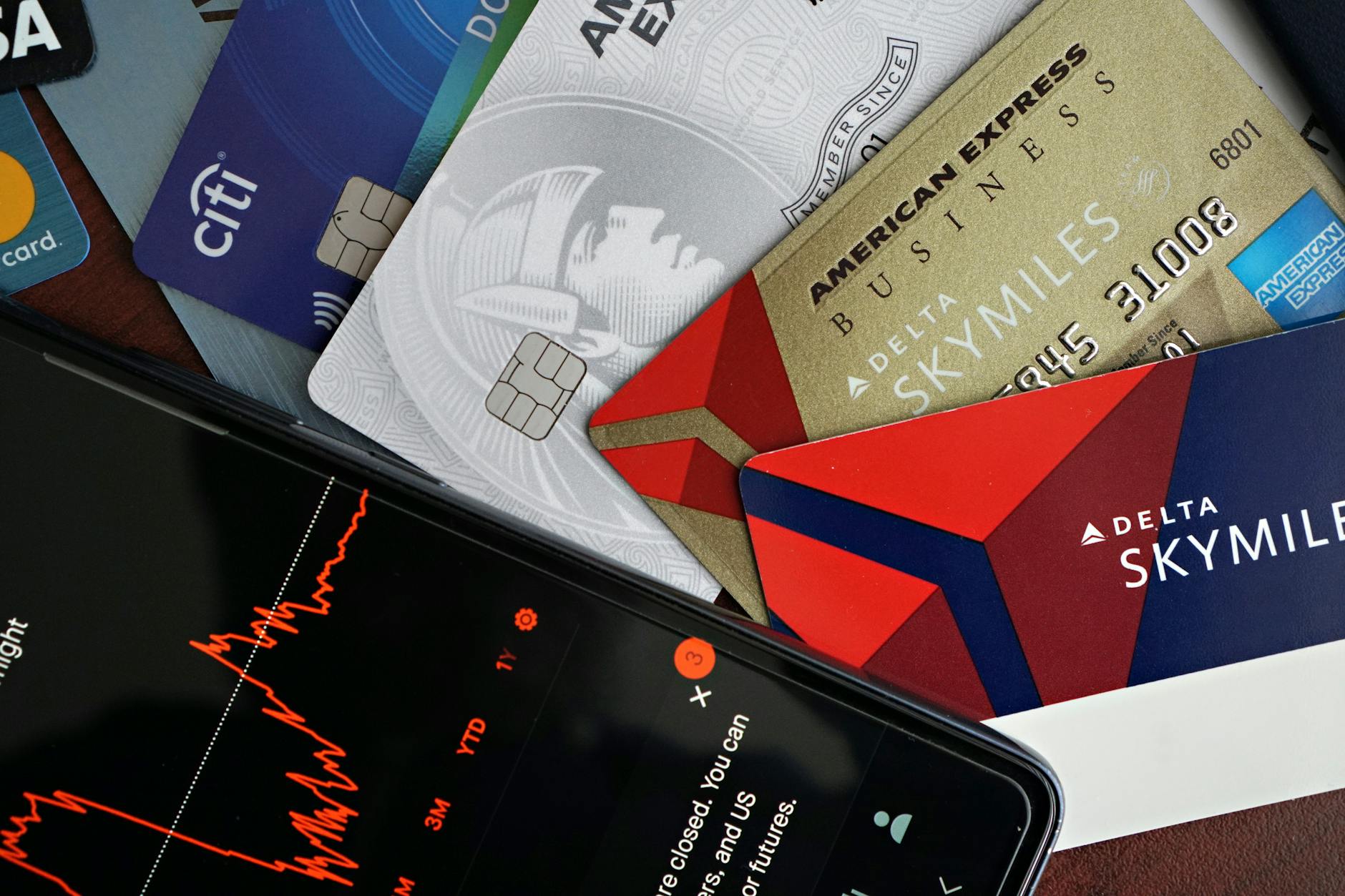
Numbers make this concrete faster than definitions do. Take $2,000 in monthly spend, split evenly across groceries, dining, and general purchases, over a full year — $24,000 total.
| Currency | Typical Rate | Annual Value (Low-Effort Redemption) | Annual Value (Best-Case Redemption) |
|---|---|---|---|
| Cashback | 2% flat | $480 | $480 (no variance) |
| Points | 2x per dollar, ~1¢/pt base | $480 | $720–$960 |
| Miles | 2x per dollar, ~1¢/mile base | $480 | $720–$1,200+ |
On a low-effort redemption, all three currencies land in the same place — the "points are worth more" argument only holds up once you put in the redemption work. Skip that work, and you've just earned 2% cashback with extra steps.
Do Sign-Up Bonuses Change the Comparison?
They shift the picture in year one, but shouldn't drive your long-term currency choice. A miles card offering 60,000 bonus miles after a $4,000 minimum spend can be worth $600 to $1,000+ in a single redemption — far more than a typical cashback sign-up bonus of $200.
That's real value, but it's a one-time event. Compare cards on their ongoing earn rate once the bonus period ends, since that's what determines the card's value in year two and beyond. A card with a huge bonus and a weak ongoing rate is a one-year deal dressed up as a long-term rewards strategy. The U.S. Department of Transportation's aviation consumer protection division has also noted that airline loyalty program terms, including mileage expiration and award availability, can change with little notice — another reason not to overweight a single bonus offer when comparing long-term value.
Does Your Credit Profile Affect Which Cards You Can Get?
Yes. Premium points and miles cards generally require good-to-excellent credit for approval, while flat-rate cashback cards span a wider approval range, including some designed for people still building credit. Check where you stand with our breakdown of how credit scores work before applying for a points-heavy card with a strict approval bar.
The Bottom Line: Cashback, Points, or Miles
Cashback wins on simplicity and predictability. Points win for occasional travelers willing to compare redemption options. Miles win for frequent travelers willing to plan ahead — but underperform for anyone who won't do the extra work. Pick the currency that matches how much effort you're actually going to put into redeeming it, not the one with the flashiest advertised value per point.
Coinpurse Media compares rewards programs for readers who'd rather know the real redemption math than the marketing headline. This piece was reviewed for accuracy as of September 2026.