Credit Utilization Explained: The Fastest Lever on Your Score
It's 30% of your score, it resets every month, and the statement closing date matters more than the due date.

In this guide 5 sections
Quick answer: Credit utilization is the percentage of your available revolving credit that you're currently using. Divide your total card balances by your total credit limits. It accounts for most of the "amounts owed" category, which is 30% of a FICO score, and it's the fastest scoring factor to change — often within a single billing cycle.
Utilization is the one part of a credit score you can move this month. Payment history takes years to build and years to repair. Utilization responds to a payment you make on a Tuesday.
This explainer covers how credit utilization works: the math, the thresholds that matter, the statement-date timing trick, and the situations where a low ratio still doesn't help. It's for anyone who has paid a card down and wondered why the score didn't move.
How is credit utilization calculated?
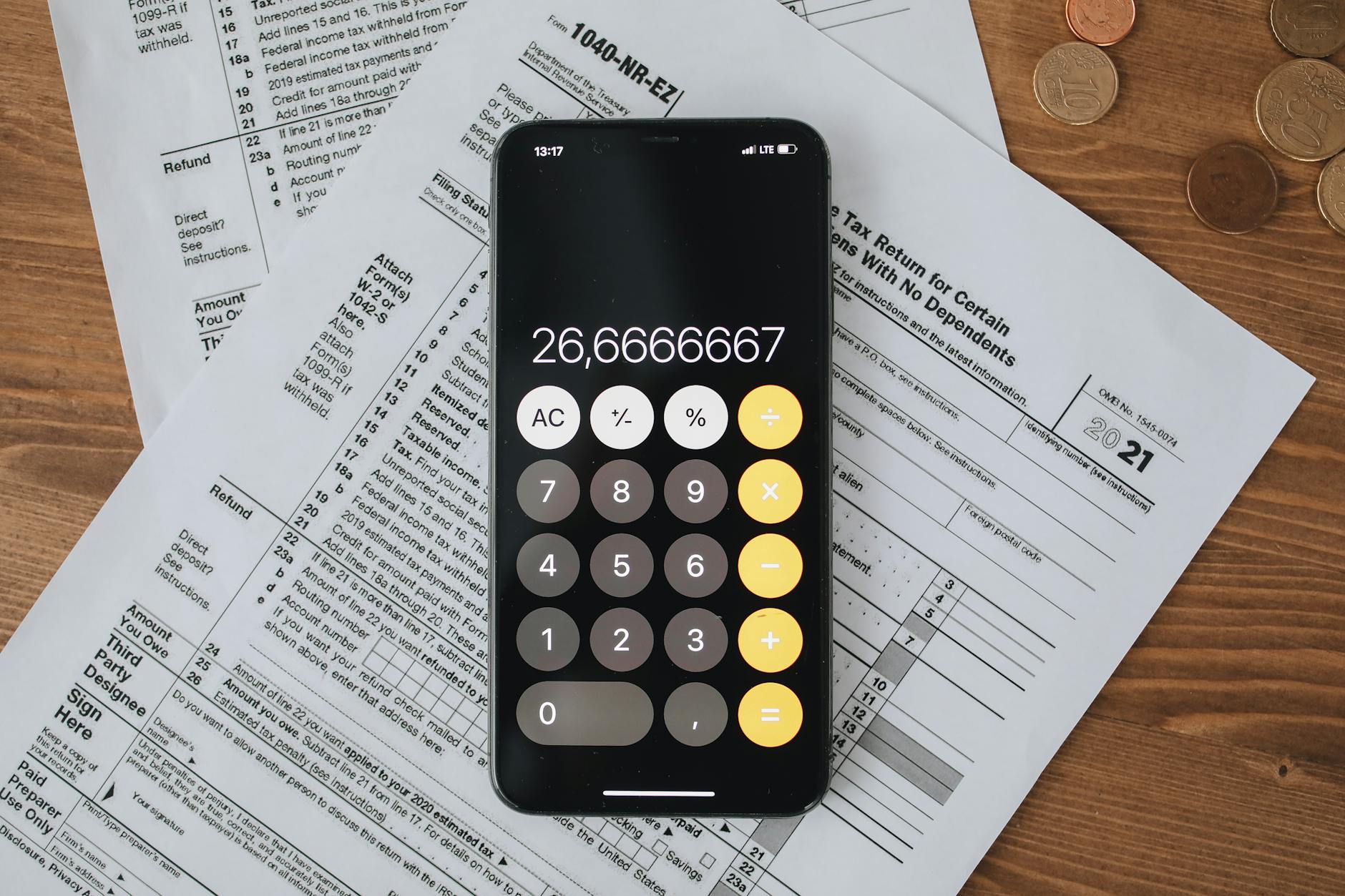
Add up the balances on all your revolving accounts, add up their credit limits, and divide the first number by the second. A $1,400 total balance against $7,000 in total limits is 20% utilization.
Only revolving accounts count. Credit cards and lines of credit are in; auto loans, mortgages, and student loans are not, because installment loans are measured differently. A $280,000 mortgage doesn't touch your utilization ratio at all.
Scoring models look at two versions of the number. Overall utilization uses every card together. Per-card utilization looks at each account individually, which is why one maxed-out card can hurt even when your overall ratio looks fine.
| Card | Balance | Limit | Per-card utilization |
|---|---|---|---|
| Card A | $2,700 | $3,000 | 90% |
| Card B | $150 | $6,000 | 3% |
| Card C | $0 | $4,000 | 0% |
| Total | $2,850 | $13,000 | 22% |
That household looks fine overall at 22% and still takes a hit from Card A at 90%. Paying $1,800 toward Card A alone does more for the score than spreading the same money across all three.
What utilization percentage should you aim for?
Under 30% is the guideline you'll see everywhere, and under 10% is where scores actually peak. Neither number is a cliff in the scoring model — it's a gradient — but the practical advice holds.

Zero percent is not the optimum, which surprises people. Reporting a small balance rather than none can score slightly better, because a card with no activity gives the model nothing to evaluate. The difference is a few points at most, so don't engineer your life around it.
Utilization is a snapshot, not a history. Whatever was reported last month is replaced this month. The Consumer Financial Protection Bureau (CFPB) hub on credit reports and scores makes the same point, and it's the genuinely encouraging part of the whole subject: unlike a late payment, a high ratio leaves no scar once it's gone.
Why this matters more than it seems: amounts owed is 30% of a FICO score, second only to payment history. Fixing utilization is the only large, fast lever most people have.
Why does the statement closing date decide your ratio?
Because issuers report your balance to the bureaus at the statement closing date, not the due date. Paying in full by the due date avoids interest. It does not lower the number that gets reported, since that snapshot was already taken.
Here's the sequence that trips people up. Your statement closes on the 8th with a $2,100 balance. You pay it in full on the 28th. The bureaus were told $2,100 on the 8th, so your score reflects heavy usage even though you never carried a cent of debt.
The fix takes one calendar reminder. Pay the card down a few days before the statement closes, then pay whatever remains by the due date. Same money, same month, a much lower reported figure. In our reader mail at Coinpurse, this single timing change is the most common reason someone's score jumps 20 to 40 points without any change in spending.
Find your closing date on the statement itself, or ask the issuer. It's rarely the same as the due date, and it doesn't move.
One warning on this tactic: don't let the timing game push you into skipping the actual payment. The reported balance is a scoring detail. A missed due date is a delinquency, and the two are not remotely comparable in cost. Pay the minimum on time first, then optimize the snapshot.
Timing also matters most right before an application. If you're applying for a mortgage or auto loan in the next two months, keep reported balances low on every statement in that window rather than just the most recent one. Lenders pull a report on their own schedule, and you don't control which month's snapshot they see. The card you use for everyday spending is the one to watch here — see our comparison of when to reach for debit instead of credit for the months when routing groceries to debit is the simpler fix.
Four ways to lower credit utilization
These are ordered by how quickly they work.

- Pay before the statement closes. Works in one cycle, costs nothing, requires only a reminder.
- Make a second payment mid-cycle. Two smaller payments a month keep the running balance lower at every point, including the snapshot.
- Request a credit limit increase. Raising a $3,000 limit to $5,000 drops a $1,500 balance from 50% to 30% with no payment at all. Ask whether the issuer uses a soft pull first.
- Open an additional card, carefully. A new account adds limit but also a hard inquiry and a younger average account age. Useful when limits are genuinely too low, not as a routine move.
Notice what isn't on the list: closing a card. Closing removes that limit from the denominator, so the same balances become a higher ratio overnight. That's one of the factors we flag in our guide to how credit scores work, and it's why a no-fee card is usually worth keeping open indefinitely.
Does Being an Authorized User Affect Your Utilization?
Yes, and often more than people expect. Being added as an authorized user puts that card's balance and limit into your own utilization math, the same as if it were your own account, as long as the issuer reports authorized-user activity to the bureaus.
That cuts both ways. A parent adding a child to a card with a


