Buy Now, Pay Later for Holiday Shopping: 47% of Users Paid Late. Here's How to Avoid Being One of Them
LendingTree's latest tracker finds 43% of Americans are weighing a BNPL loan this month. Here is what late payments really cost, and a simple way to keep installment plans from stacking up.
In this guide 8 sections
Buy now, pay later lets you split a purchase into a few installments, usually with no interest. It is risky because 47 percent of users paid late in the past year, and 68 percent say it leads them to overspend. Use it only for planned purchases, limit yourself to one active plan at a time, and automate payments.
Coinpurse covers practical money choices, and holiday season is when installment offers are hardest to resist. This guide is for shoppers who are considering BNPL for gifts, travel, or everyday bills this year. It explains how the plans work, what late payments cost, and how to build a simple safety system.
What Does the Latest Data Say About BNPL Use?
Use is widespread and still growing. In its October 2026 tracker, LendingTree reported that 43 percent of Americans are considering a BNPL loan this month, up 3 points from September but below the record 48 percent in December 2025. Fifty-two percent expect to apply within six months.

The report also shows who uses it and why. Forty-seven percent of Americans have used BNPL, and 10 percent have used it six or more times. Gen Z and parents of young children are among the heaviest users. Ease of use and ease of access are the top reasons people choose it, and interest-free terms rank last at 11 percent.
The warning signs are in the same data. Fifty-four percent of users said they could not make ends meet without BNPL loans, 63 percent have held multiple loans at once, and 25 percent have held three or more. Sixty-eight percent said BNPL leads them to overspend, and 54 percent have regretted a purchase. The surveys are online and use quota samples, so read the numbers as estimates.
How Does Pay-in-Four Actually Work?
A pay-in-four plan splits a purchase into four equal payments, typically one at checkout and three more every two weeks. The Consumer Financial Protection Bureau describes BNPL loans as generally zero-interest loans repaid in four or fewer installments, and notes that they have grown rapidly since 2019.
The appeal is the low upfront cost. A $400 coat becomes four payments of $100. The risk is that each plan sets its own schedule, and the dates pile up when you use more than one. The CFPB's research on BNPL also studies loan stacking across lenders, which is the same pattern shoppers describe.
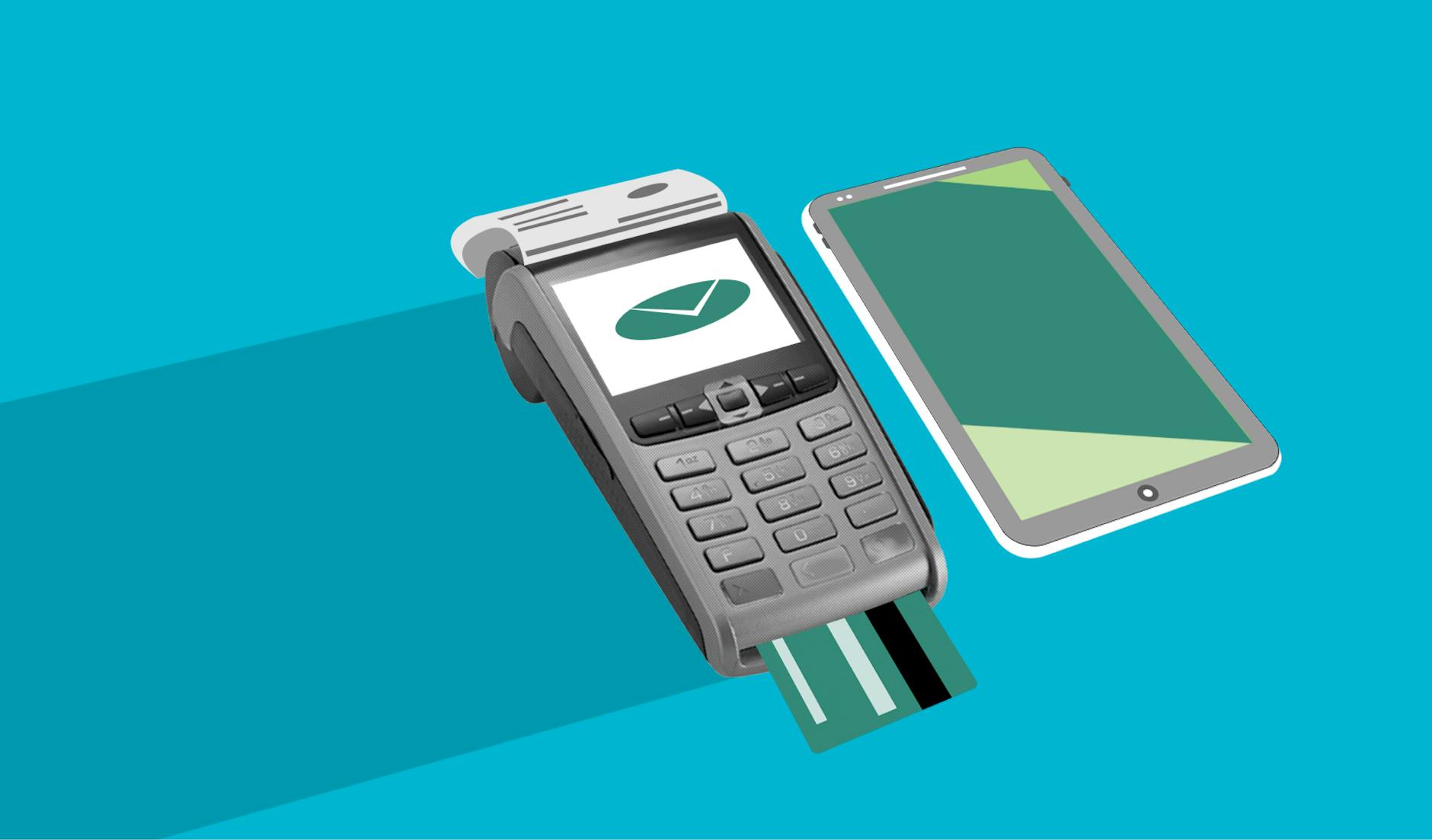
Here is a simple example. A shopper buys three gifts through three plans: a $400 coat, a $240 tablet case, and a $160 speaker. Each splits into four payments, so the shopper owes $100, $60, and $40 every two weeks, or $200 per cycle for six weeks. That is $200 less in every paycheck, just as holiday bills and rent arrive. Missing one payment is easy.
What Does a Late Payment Really Cost?
The direct cost is usually a fee. LendingTree cites a CFPB figure of an average $9.99 late fee in 2023. That may sound small, but it adds up across several loans. Providers may also pause your ability to use the service until you catch up.
The credit impact is less straightforward. Late payments generally do not appear on credit reports until they are 30 or more days overdue. Reporting varies by provider, though, and newer scoring models are beginning to include BNPL loans. As reporting expands, a missed payment is more likely to matter than it did a few years ago.
The fix is often easy. In LendingTree's October tracker, 90 percent of people who asked for a late fee to be waived got it reduced or removed. Call or message the provider as soon as you notice, be polite, and ask for a one-time courtesy. Then pay right away and set up autopay.
When Does BNPL Make Sense, and When Does It Not?
It makes sense when you would buy the item anyway, can pay each installment from money you already have, and will have only one plan open. It is a way to smooth a cash flow, not a way to afford something outside your budget.

It makes less sense for groceries, rent, or restaurant delivery, even though LendingTree found 29 percent of users now use it for groceries, up from 14 percent two years earlier. Using installments for recurring needs is a sign that monthly income and expenses do not match. If you see that pattern, a budget review will help more than another loan.
Returns can also be harder. LendingTree advises using a credit card for purchases you might return, because refunds on BNPL purchases can be slow or complicated. For gifts you may exchange, a card with buyer protections is often easier. Our look at how to maximize credit card rewards without overspending covers the card side, as long as you pay the balance in full.
Which Providers Do Shoppers Use, and Does It Matter?
Four names dominate. LendingTree found that PayPal is used by 56 percent of BNPL users, followed by Affirm at 45 percent, Klarna at 41 percent, and Cash App Afterpay at 33 percent. Many people use more than one, which is how stacked schedules form.
Providers differ in fees, credit checks, and reporting. Some run a soft check at checkout, others none. Some report loans to credit bureaus and others do not, and newer scoring models are beginning to read BNPL data. Because policies change, read the current terms inside the app before you accept a plan, and do not assume that a missed payment will stay invisible.
What people buy matters as well. LendingTree reports clothing, shoes, and accessories as the top category at 39 percent, with tech devices at 34 percent. Thirteen percent have used BNPL to pay rent, and 20 percent for restaurant delivery or takeout. Short-lived purchases like takeout are a poor match for a payment plan that outlasts the meal by weeks.
A good rule is to match the length of the loan to the life of the item. A coat that lasts several winters can reasonably be paid over six weeks. A dinner delivered tonight should come out of this month's spending money, not a future paycheck.
How Do You Build a Safe BNPL Routine?
Treat installment loans as part of your holiday budget, not as extra money. Use this list before you click the pay-later button.
- Set a total gift budget first, and subtract any planned BNPL payments from your paycheck forecast.
- Limit yourself to one active plan at a time.
- Turn on autopay from the account with the most reliable balance.
- Put every due date in a shared calendar, with a reminder two days ahead.
- Read the late-fee and reporting terms before you accept.
If you want a full budget for the season, start with our guide to budgeting for holiday spending so January does not bite. It shows how to set a spending cap before you shop. Coinpurse's editors recommend writing the cap on a sticky note and checking it before every purchase.
Share the plan with anyone who shops with you. In a household with two earners, one partner often does not know the other has open installments. A quick monthly check-in on what is owed prevents surprises. Check your credit, too. Our explainer on how credit scores work shows which factors matter most. Paying every installment on time, and keeping card balances low, protects the two biggest ones.
What If You Are Already Behind?
Act quickly and in order. Pay the oldest overdue installment first, since that one is closest to the 30-day point that can trigger credit reporting. Then contact each provider to ask about fee waivers or a revised schedule.

List all your open plans in one place. Write down the provider, the remaining balance, the next due date, and the payment amount. Seeing it on one page makes it easier to prioritize. Pause new BNPL purchases until you are current.
If the total is too large for your paycheck, consider a different approach. Our comparison of the debt snowball and avalanche methods can help you pick an order for paying off balances. If you are using BNPL for rent or groceries, look at the underlying budget gap and consider speaking with a nonprofit credit counselor.
Conclusion: Plan the Payments Before the Purchase
The practical answer is to use BNPL for planned purchases only, keep to one plan at a time, automate every payment, and ask for fee waivers if you slip. Interest-free does not mean cost-free when late fees, overspending, and stacked schedules enter the picture.
Your next step is to open a note on your phone and list every installment you owe, with due dates. If the list is empty, keep it that way by setting a spending cap before you shop.